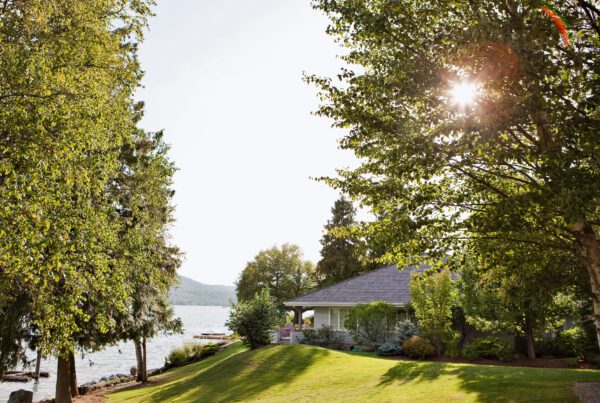
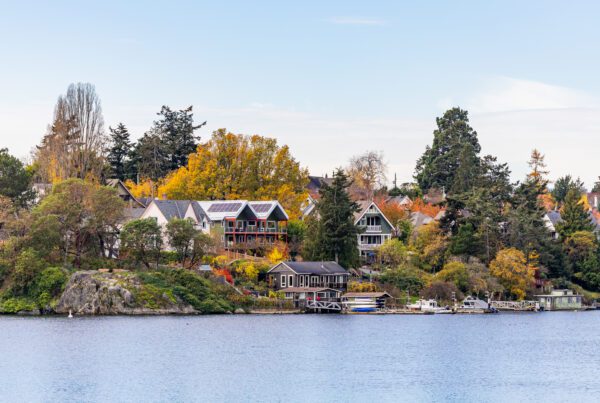
Lake Stevens continues to be one of the most competitive and desirable housing markets in Snohomish County. With its award-winning schools, growing retail developments, and sought-after lakefront lifestyle, demand has remained strong—even as broader economic conditions shift. As we move into 2026, buyers and sellers are both wondering what to expect from the Lake Stevens market: Will prices rise? Will inventory increase? Will competition ease?
This 2026 housing market forecast breaks down the latest trends, pricing expectations, buyer behavior, and what these factors mean if you’re planning to buy (or sell) in Lake Stevens the coming year.
Current Market Overview: A High-Demand Community With Limited Inventory
Like much of Snohomish County, Lake Stevens continues to face low housing supply paired with steady buyer demand. Although the market has balanced slightly compared to the pandemic peak, competition remains strongest for:
- Updated single-family homes under $700,000
- Newer builds close to Frontier Village or Highway 9
- Homes near the lake or with views
- Townhomes priced for first-time buyers
Because of limited inventory—and fewer sellers willing to move—homes in good condition often go pending within days.
Key trends as we enter 2026:
- Prices have stabilized, but remain higher than pre-2020 levels
- Inventory is still tight, especially in desirable neighborhoods
- Interest rates remain a deciding factor for buyer urgency
- Demand from remote and hybrid workers persists, adding pressure to supply
- New construction is increasing, but still not enough to meet demand
For buyers, this means preparation is key. For sellers, it’s still an advantageous time.
Price Forecast: Will Home Prices Go Up in 2026?
Lake Stevens home prices are expected to remain stable or rise slightly in 2026. Based on Snohomish County historical data and current supply trends, experts anticipate:
- 1–4% price growth across most neighborhoods
- Higher appreciation for lakefront homes, new construction, and homes near schools
- Steady demand from transplants leaving King County for more affordability
While price jumps likely won’t be as dramatic as in recent years, Lake Stevens continues to outperform many nearby markets because of its location, lifestyle appeal, and limited land for future development.
Interest Rates & Buyer Behavior: How 2026 Will Shape Demand
Interest rates continue to play a major role in determining how competitive the Lake Stevens market feels month-to-month.
If rates stay steady:
Buyer demand should remain strong and predictable, keeping homes moving at a normal pace.
If rates drop:
Expect a surge in buyer activity, especially among first-time homebuyers and families who have been waiting for the right moment. Lake Stevens could see multiple-offer situations return more aggressively.
If rates rise again:
Demand may cool slightly, but Lake Stevens historically remains more stable than other areas because of its schools and affordability compared to Seattle.
Either way, Lake Stevens continues to attract motivated buyers—and that keeps the market moving.
New Construction Outlook: More Supply, but Not Enough
New construction continues to shape the future of Lake Stevens, especially around:
- Highway 9 corridor
- Frontier Village expansions
- South Lake Stevens developments
- Soper Hill / Hillcrest communities
Buyers can expect to see more:
- Townhomes
- Modern single-family homes
- Master-planned communities with amenities
- Energy-efficient “smart homes”
But here’s the catch:
New construction homes sell fast, and the total number being built still falls far below demand—meaning the market won’t see a dramatic shift in inventory.
Buyers looking for a modern home should get pre-approved early and watch for builder releases.
Inventory Expectations: Will More Homes Hit the Market?
While inventory may rise slightly in spring and summer months, Lake Stevens is unlikely to see dramatic inventory growth in 2026. Many homeowners are holding 2020–2021 interest rates below 4%, making them reluctant to sell and buy at a higher rate.
This “rate lock” effect keeps:
- Fewer homes coming onto the market
- Higher competition for the best listings
- Prices more stable than expected
For Lake Stevens specifically—where demand has historically outpaced supply—this means the market may remain tighter than surrounding cities.
Who’s Buying in Lake Stevens? Trends to Watch
The types of buyers entering the Lake Stevens market impact the forecast as well.
1. First-Time Homebuyers
Drawn to affordability relative to Seattle and the strong school district.
2. Remote & Hybrid Workers
Moving north to gain more space and cut costs.
3. Boeing, aerospace, and engineering employees
Choosing Lake Stevens for its convenience to Everett and Paine Field.
4. Families upsizing
Seeking larger homes in newer neighborhoods.
5. Buyers looking for lake access or waterfront lifestyle
These niche buyers keep lakefront properties extremely competitive.
This wide pool of buyer demand further stabilizes the market.
Neighborhoods Expected to Thrive in 2026
Certain Lake Stevens neighborhoods are projected to see particularly strong demand this year:
Frontier Village – High convenience appeal, newer homes, strong retail growth.
North Cove / Downtown Lake Stevens – Increased walkability and lake access.
Soper Hill – Ideal for commuters, newer builds, and Boeing employees.
South Lake Stevens / Highway 9 – Rapid development and new construction.
North Lake Stevens – Privacy, larger lots, and scenic views.
These areas may experience faster appreciation and quicker market turnover.
Is 2026 a Good Year to Buy a Home in Lake Stevens?
For most buyers, yes—especially those who:
- Want long-term appreciation
- Need access to top-rated schools
- Value lake recreation and outdoor activities
- Want more space than what King County offers
- Seek newer homes or quiet suburban neighborhoods
While competition remains, the stability of the Lake Stevens market makes it a strong place to buy for long-term value.
Is 2026 a Good Year to Sell a Home in Lake Stevens?
Absolutely. With:
- Low inventory
- Strong buyer demand
- High interest in newer homes and lake-adjacent properties
Sellers who list in 2026 may still experience competitive offers—especially if their home is updated, priced correctly, and marketed well.
Ready to Navigate the Lake Stevens Market With Confidence?
The Robinett Group specializes in helping buyers and sellers understand what’s happening in today’s market—so you can make informed decisions with confidence.
Whether you’re planning to buy your first home, upgrade to a larger space, or take advantage of a strong seller’s market, our team provides:
- Hyper-local Lake Stevens expertise
- Data-driven analysis
- Skilled negotiation
- Personalized home search support
- Proven strategies for sellers
Start your 2026 Lake Stevens real estate journey with the Robinett Group today. We’ll help you find the right home—or sell for the right price—in one of Snohomish County’s most desirable communities.
FAQ: Lake Stevens Housing Market
Most buyers can expect the full process—from initial search to closing—to take 30–60 days, depending on inventory and financing. Homes in popular neighborhoods may require faster decision-making, while new construction timelines can extend several months.
Yes, though inventory is limited. Townhomes and older homes away from the lake offer the most budget-friendly options, and buyers can often find better value compared to neighboring cities like Snohomish or Marysville.
Absolutely. Many buyers choose Lake Stevens for the larger home sizes, quiet neighborhoods, and access to nature—while still being within reach of the Seattle and Everett job markets when needed. High-speed internet access is widely available in newer communities.
Property taxes in Lake Stevens are generally in line with the broader Snohomish County average. Taxes can vary significantly based on school boundaries, new construction status, and whether a home has lake access—so buyers should review tax assessments early in the process.
Homes near the lake, newly updated properties, and homes in top-performing school zones tend to appreciate the quickest. Limited inventory and strong demand for these features help maintain long-term value.